
Top drone powers are redefining modern warfare. From the US MQ-9 Reaper to Turkey’s Bayraktar TB2, China’s Wing Loong II, Russia’s Okhotnik, and Israel’s Hermes 900. Check who is leading with the most powerful unmanned aerial vehicles (UAVs).
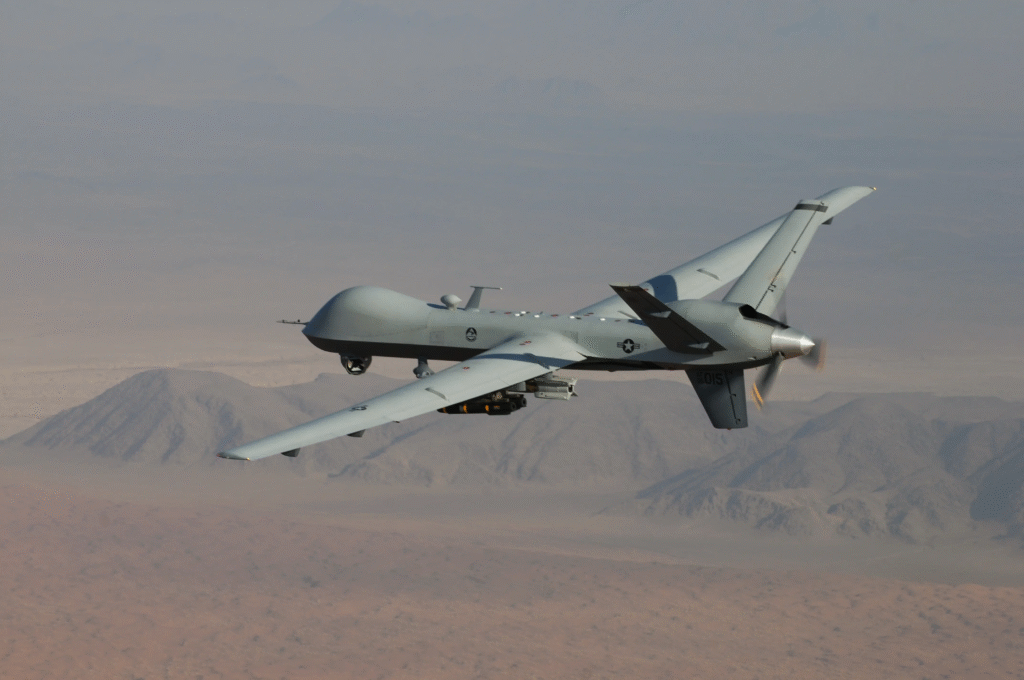
United States – Leader With MQ-9 Reaper
The US operates the MQ-9 Reaper, a drone with over 27 hours of flight time and a 1,700 kg weapons payload. It is widely proven in combat zones like Afghanistan and Syria. The US fleet includes hundreds of drones and continues upgrading sensor and AI capabilities. According to AeroTime, the US remains the front-runner.
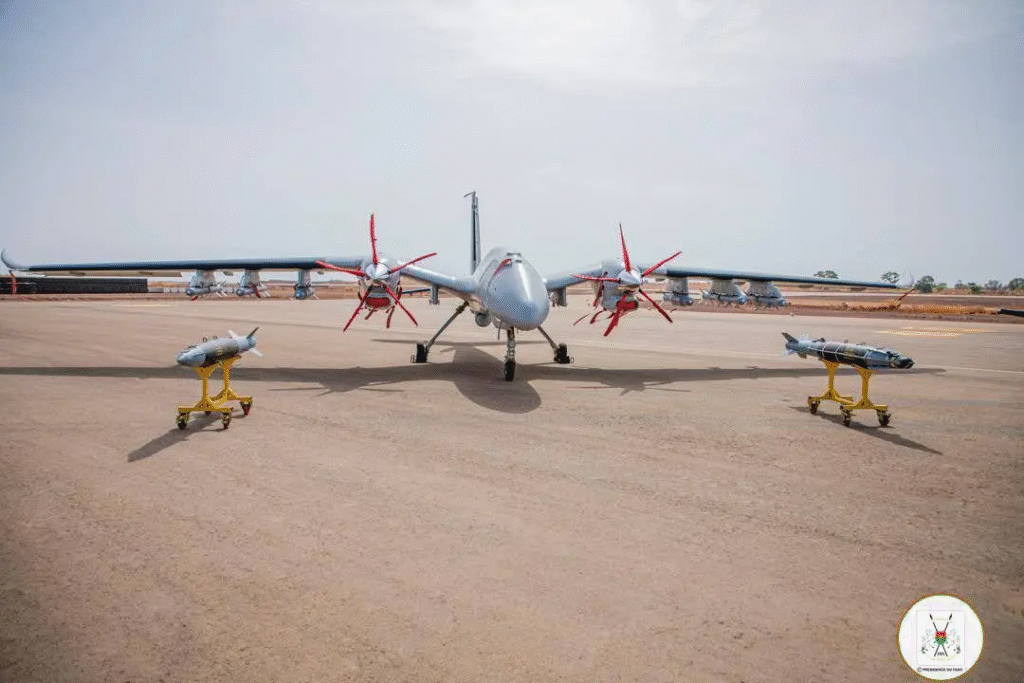
Turkey – Bayraktar TB2 and TAI Anka
Turkey’s Bayraktar TB2 is cost-effective yet battle-proven, with hundreds in service globally. Its newer TAI Anka has 30+ hours endurance and advanced multi-role designs. Turkey controls a big part of the drone market, valued around $10-20 million per unit.
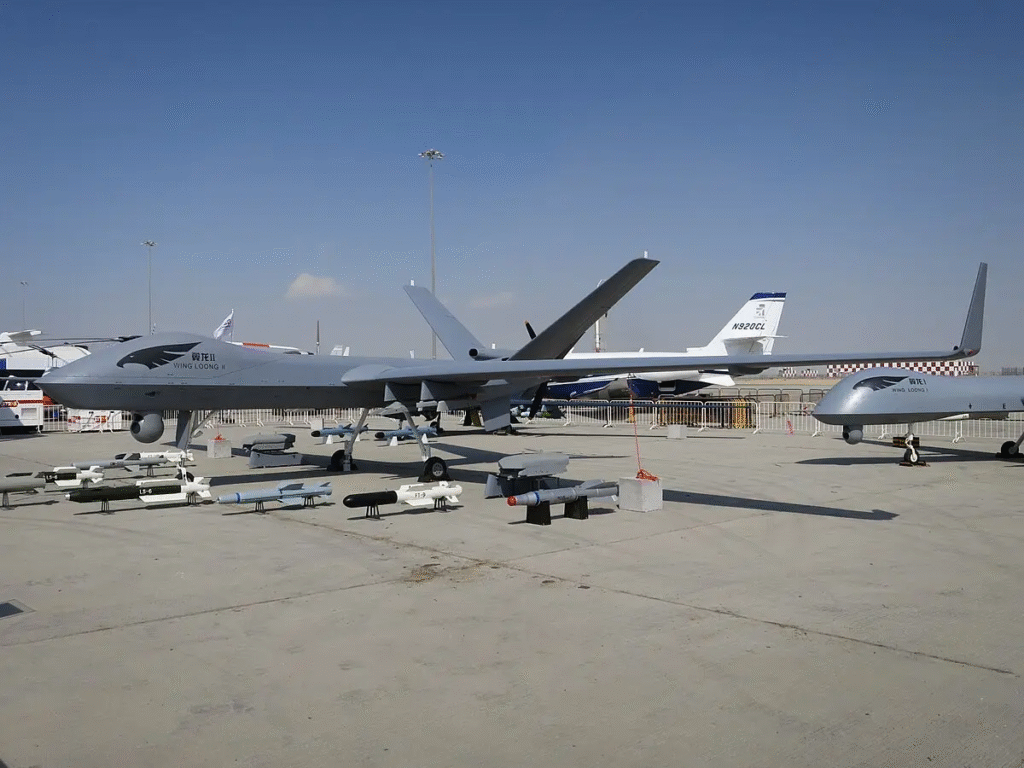
China – CAIG Wing Loong II and CH-5 Rainbow
China’s drones are affordable and powerful, like the Wing Loong II and CH-5 Rainbow, with up to 60 hours endurance and 1,000 kg weapon capacity. China is rapidly expanding its UAV exports and research, focusing on high-tech sensors and long-range strike capabilities.
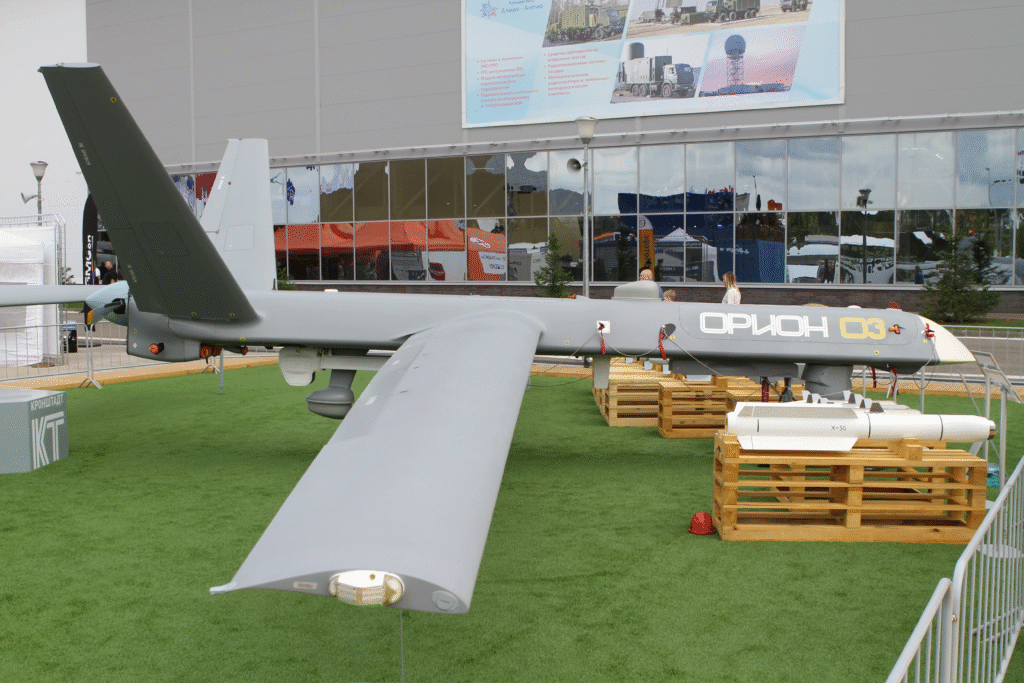
Russia – Kronshtadt Orion and S-70 Okhotnik
Russia’s Orion drone is their first home-grown MALE UAV, used for reconnaissance and strike. The S-70 Okhotnik, a stealthy flying-wing drone, can work alongside manned jets. Russia combines stealth, speed (up to 1,000 km/h), and heavy payloads to rival other drone powers.
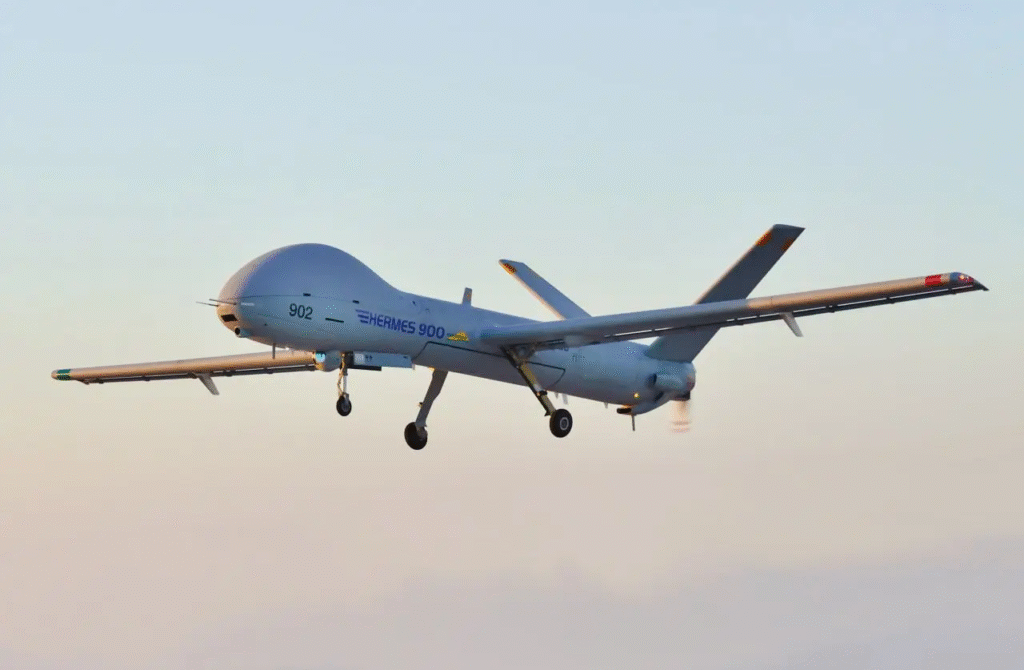
Israel – Hermes 900
Israel’s Hermes 900 has over 36 hours flight time and can carry 350 kg of advanced sensors and weapons. It excels in surveillance, border safety, and disaster relief. Israeli-made drones are widely exported and integrated worldwide.
Future Possibilities
Next-generation drones could feature AI-powered autonomy, hypersonic speeds, drone swarms for battlefield dominance, and energy weapons such as lasers. The global military drone market is expected to reach $30 billion by 2035, which reflects a strong growth trend.

