

Hold onto your captain’s hat, DroneXL fans, because the U.S. Navy just flew a solar-powered drone for three days straight without landing! The Skydweller UAS, tested off Stennis, Mississippi, in partnership with Skydweller Aero, is a carbon-fiber giant with a Boeing 747-sized wingspan, designed for marathon maritime surveillance missions.
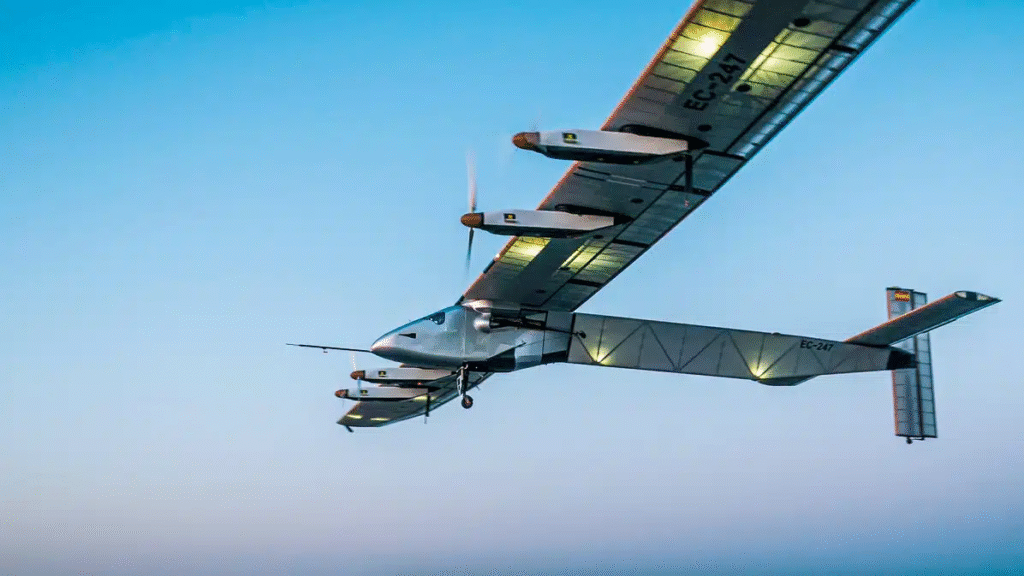
Yep. Biggest drone ever
For our drone enthusiasts, this is the kind of tech that makes you want to trade your hobby drone for something that can patrol oceans for weeks. With zero carbon emissions and the ability to carry heavy payloads, the Skydweller is poised to revolutionize intelligence, surveillance, and reconnaissance (ISR). Let’s dive into why this solar-powered beast is making waves.
What’s the Skydweller All About?
Built by Oklahoma-based Skydweller Aero, the Skydweller UAS is a lightweight titan at 5,620 pounds, roughly the weight of a pickup truck, with a massive 236-foot wingspan. Its 17,000+ solar cells generate up to 100 kilowatts, powering four electric propellers and charging 1400 pounds of lithium-ion batteries for nighttime flight.

The solar panels
In a recent test led by the Naval Air Warfare Center Aircraft Division (NAWCAD), it flew for 73 hours nonstop—part of a 220-hour campaign over nine days, paused only for bad weather. The test validated its ability to maintain a positive energy balance, make autonomous decisions, and handle turbulence while keeping secure communication links

A reimagined Solar Impulse 2, which flew around the world in 2016 with pilots, the uncrewed Skydweller can carry 800 pounds of payload, like EO/IR sensors, radar, or AIS receivers. It’s built for U.S. Southern Command (SOUTHCOM) missions, tackling drug trafficking, piracy, and border security across vast regions like the Caribbean. With a 100-knot max speed and 45,000-foot ceiling, it’s designed to loiter for weeks, freeing up assets like the MQ-4C Triton (30-hour endurance) for faster missions. The test even saw it trace “USA” in the sky over the Gulf of Mexico, per flight tracking data—a flex for the ages.
How It Compares
The Skydweller leaves other drones in the dust for endurance. Amazon’s MK30, which plopped a package in a pool, is stuck with 7-mile delivery runs. Skyports’ medical drones in Belgium max out at 12 miles.
The Skydweller’s closest rival is the Airbus Zephyr S, which flew 26 days in 2022 but carries minimal payload. With an 800-pound capacity and robust design, Skydweller’s a workhorse for ISR, not just a lightweight flyer. Its carbon-fiber build and AI-driven autonomy (with partners like Palantir) make it a heavyweight contender for naval ops.
The Catch
Weather’s a big hurdle—storms forced ground breaks during the test, and NAWCAD’s Bill Macchione noted the range and weather “didn’t cooperate” for longer flights. Energy management is another challenge; operators must treat battery levels like fuel, a new skill set.
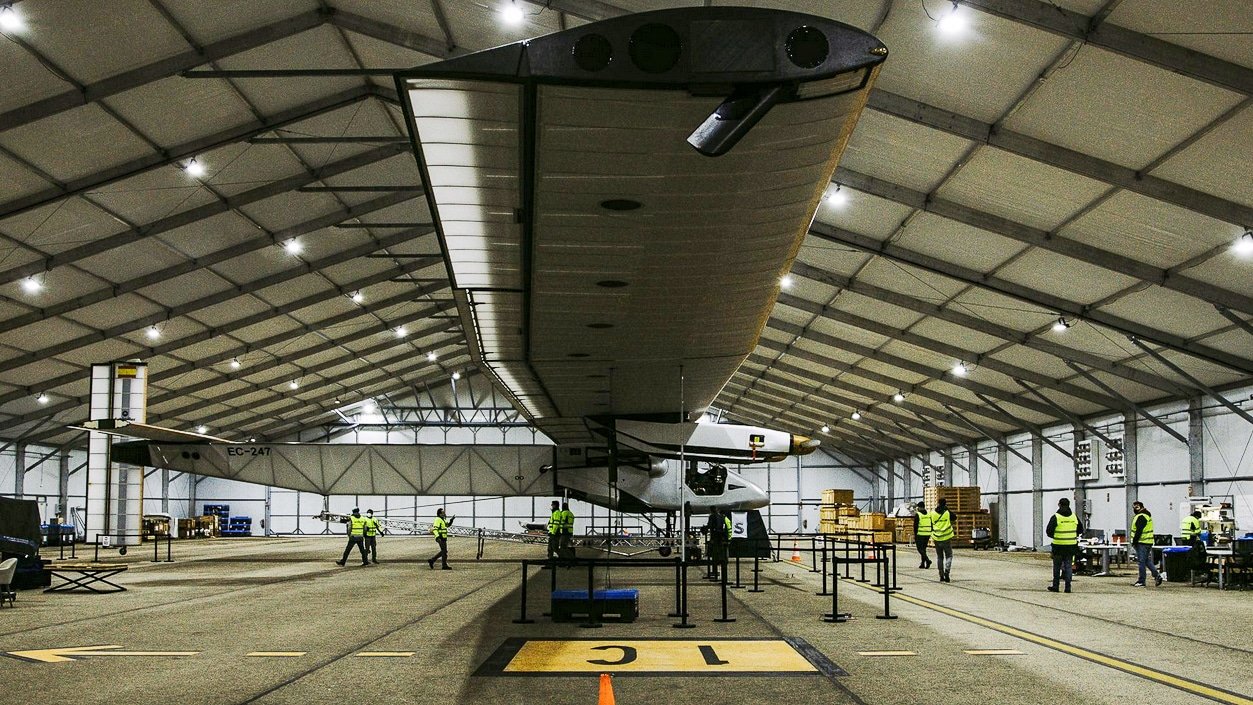
Its 100-knot speed can’t match jet-powered drones for rapid response, and integrating complex payloads like AI-driven sensors is still in progress, with tests planned for SOUTHCOM this winter. While it’s greener and cheaper than fuel-based drones, its reliance on solar power limits it in cloudy or stormy conditions.
DroneXL’s Take
As a drone pilot who’s wrestled with battery swaps and short flight times, the Skydweller’s 73-hour run is pure magic. Three days in the air on solar power? That’s the stuff of drone nerd dreams! For our enthusiasts, this is a peek at a future where drones patrol seas, catch smugglers, and do it without a gas station. The “USA” sky-drawing stunt had me grinning, but I’m curious how it’ll handle rough Gulf weather at 45,000 feet. If it nails the planned multi-week flights with Navy payloads, it could redefine ISR and even track wildlife commercially. I’m itching to see this thing in action—imagine it watching your fishing spot for weeks! Who’s pumped for solar-powered surveillance? Let’s talk in the comments!
Photographs courtesy of US NAVY and SkyDweller

